English
 العربية
 Français
 Русский
 Español
 Português
 Deutsch
 Italiano
 日本語
日本語
 한국어
한국어
 हिन्दी

Titanium Bar (Titanium Rod): Grades, Properties, Specifications and Applications
What Is Titanium Bar?
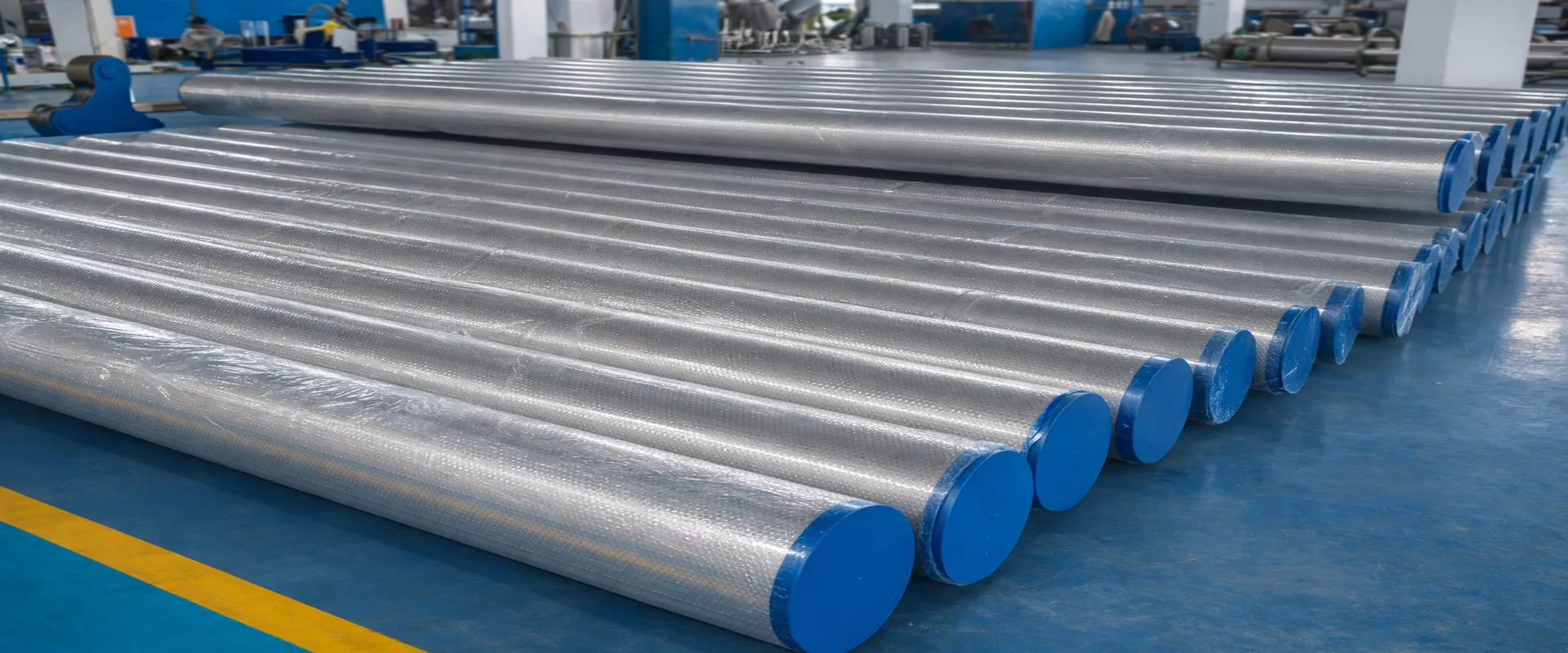
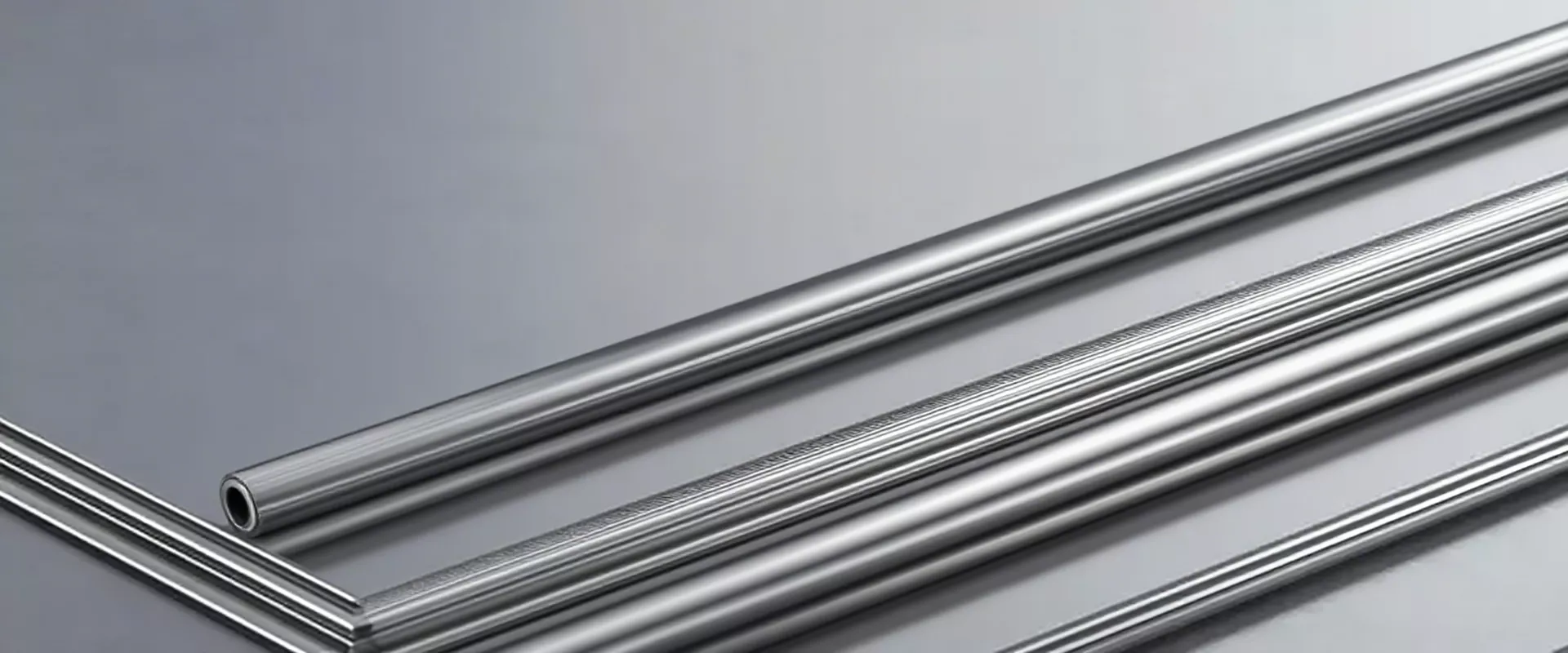
Titanium bar, also known as titanium rod, is a solid metal product manufactured from commercially pure titanium or titanium alloy materials. It is produced through processes including hot rolling, forging, cold drawing, machining, and surface polishing to achieve different mechanical properties and dimensional requirements.
Titanium bars are widely recognized for their excellent strength-to-weight ratio, outstanding corrosion resistance, high temperature stability, and superior biocompatibility. Compared with traditional metals such as stainless steel and aluminum alloys, titanium provides a unique combination of lightweight performance and long-term durability, making it an important engineering material in aerospace, medical, chemical processing, marine, and precision manufacturing industries.
Common titanium bar standards include ASTM B348, ASTM F67, ASTM F136, and GB/T 2965, covering requirements for industrial titanium bars and medical-grade titanium materials.

Key Properties of Titanium Bars
Lightweight with High Strength
Titanium has a density of approximately 4.51 g/cm³, which is significantly lower than steel while maintaining excellent mechanical strength.
This high strength-to-weight ratio allows titanium bars to reduce structural weight without sacrificing load-bearing performance. For this reason, titanium is widely used in aircraft components, medical implants, racing equipment, and high-performance mechanical parts.
Excellent Corrosion Resistance
Titanium naturally forms a stable titanium oxide (TiO₂) passive layer on its surface. This protective film provides excellent resistance against:
- Seawater corrosion
- Chloride environments
- Acid and alkaline solutions
- Chemical processing media
- Sulfide-containing environments
Compared with conventional stainless steel, titanium offers longer service life in many highly corrosive conditions.
Excellent Biocompatibility
Titanium is one of the most widely used metals for medical applications because of its excellent compatibility with human tissues.
Medical-grade titanium bars are commonly used for:
- Dental implants
- Bone screws
- Orthopedic devices
- Spinal fixation systems
- Surgical instruments
Grades such as ASTM F67 commercially pure titanium and ASTM F136 Ti-6Al-4V ELI titanium alloy are widely accepted for implant applications.
Stable Physical Performance
Titanium bars provide:
- Non-magnetic properties
- High fatigue resistance
- Good low-temperature performance
- High-temperature stability
- Long-term reliability in harsh environments
These characteristics make titanium suitable for aerospace, marine, and precision engineering applications.
Main Types of Titanium Bars
Titanium bars are mainly divided into two categories:
- Commercially Pure Titanium Bars (CP Titanium)
- Titanium Alloy Bars
Each type offers different mechanical properties and is selected according to application requirements.
1. Commercially Pure Titanium Bars (CP Titanium)
Commercially pure titanium bars are known for excellent corrosion resistance, ductility, and weldability. They are commonly used in chemical equipment, marine applications, and general industrial structures.
| Grade | ASTM Equivalent | Main Features | Typical Applications |
|---|---|---|---|
| TA0 | Grade 1 | Highest purity, excellent ductility | Precision components, chemical equipment, medical parts |
| TA1 | Grade 2 | Balanced strength and corrosion resistance | Heat exchangers, seawater equipment, food processing machinery |
| TA2 | Grade 3 | Higher strength than Grade 2 titanium | Marine parts, valve components, industrial shafts |
| TA3 | Grade 4 | Highest strength among pure titanium grades | Pressure structures, heavy corrosion-resistant components |
| TA9 | Grade 7 | Titanium-palladium alloy, excellent acid resistance | Chemical processing, hydrochloric acid equipment |
| TA10 | Grade 12 | Strong resistance to crevice and sulfide corrosion | Oil & gas equipment, marine pipelines |
2. Alpha-Beta Titanium Alloy Bars
Alpha-beta titanium alloys provide higher strength and fatigue resistance compared with commercially pure titanium. They are widely used for structural components requiring high mechanical performance.
TC4 Titanium Bar (Ti-6Al-4V)
ASTM Grade: Grade 5
TC4 is the most commonly used titanium alloy worldwide.
Key advantages:
- High tensile strength
- Excellent fatigue resistance
- Good corrosion resistance
- Good machinability
Applications include:
- Aerospace fasteners
- Aircraft structural components
- Mechanical parts
- Sports equipment
- Industrial molds
TC4 ELI Titanium Bar (Ti-6Al-4V ELI)
ASTM Grade: Grade 23
TC4 ELI has lower oxygen and carbon content, providing improved toughness and reliability.
Typical applications:
- Dental implants
- Orthopedic screws
- Bone fixation devices
- Medical surgical components
TC11 Titanium Bar
TC11 is a high-temperature titanium alloy mainly used in aerospace applications.
Typical applications:
- Aircraft engine compressor components
- High-temperature forgings
- Aviation structural parts
TC18 Titanium Bar
TC18 is a high-strength near-beta titanium alloy designed for heavy-load applications.
Applications:
- Aircraft landing gear components
- Large aerospace forgings
- Military structural parts
3. Beta Titanium Bars
Beta titanium alloys feature excellent cold forming ability, elasticity, and fatigue resistance.
Common grades:
- TB2
- TB6
- TB9
Applications:
- Titanium springs
- Precision shafts
- Aerospace fasteners
- Elastic components
Titanium Bar Size Range and Processing Options
Titanium bars are available in various diameters, shapes, and surface conditions to meet different manufacturing requirements.
Round Titanium Bar
Cold Drawn Titanium Bar
Diameter range: Φ2mm–Φ14mm
Features: High dimensional accuracy, smooth surface finish, suitable for precision machining and medical components.
Rolled Titanium Bar
Diameter range: Φ14mm–Φ100mm
Applications: General machining, industrial components, mechanical parts.
Forged Titanium Bar
Diameter range: Φ100mm–Φ500mm
Applications: Aerospace forgings, large structural components, heavy-duty applications.
Special Shape Titanium Bars
Available shapes include:
Square Titanium Bar
Size range: 5×5mm to 100×100mm
Applications: Structural parts, precision machining.
Hexagonal Titanium Bar
Size range: 6mm–80mm
Applications: Fasteners, special mechanical components.
Flat Titanium Bar
Thickness: 2mm–100mm | Width: 10mm–300mm
Applications: Structural supports, industrial fabrication.
Titanium Bar Surface Finishes
Different surface treatments are available according to application requirements.
Pickled Surface
Suitable for: Forging blanks, general industrial machining.
Peeled and Turned Surface
Advantages: Improved dimensional accuracy, smooth machining surface.
Centerless Ground and Polished Surface
Surface roughness: Ra ≤ 0.8μm
Used for: Medical components, precision shafts, high-accuracy mechanical parts.
Applications of Titanium Bars
Medical Industry
Medical titanium bars, including ASTM F67 and ASTM F136 grades, are widely used for implantable devices due to their excellent biocompatibility.
- Dental implants
- Orthopedic screws
- Joint replacement components
- Surgical instruments
Aerospace Industry
Titanium alloy bars such as TC4, TC11, and TC18 are widely used in aerospace because they provide high strength with reduced weight.
- Aircraft fasteners
- Engine components
- Landing gear parts
- Structural brackets
Chemical Processing Industry
Pure titanium grades such as TA1, TA2, TA9, and TA10 are selected for corrosion-resistant equipment.
- Heat exchanger components
- Reactor parts
- Electrochemical equipment
- Desalination systems
Marine and Offshore Industry
Titanium bars provide excellent resistance to seawater and marine corrosion.
- Offshore platforms
- Subsea equipment
- Marine shafts
- Pipeline components
Sports and Precision Machinery
TC4 titanium bars are commonly used in lightweight, high-performance products.
- Bicycle components
- Golf equipment
- Outdoor equipment
- Precision mechanical parts
How to Choose the Right Titanium Bar Grade?
For general corrosion resistance:
→ TA1 / TA2 (Grade 1 / Grade 2)
Conclusion
Titanium bars combine lightweight design, high mechanical strength, excellent corrosion resistance, and outstanding biological compatibility. With a wide range of commercially pure titanium and titanium alloy grades, titanium rods can be customized for applications across medical, aerospace, chemical, marine, and precision engineering industries.
Choosing the correct titanium grade, diameter, surface condition, and processing method is essential for achieving the best performance and service life in each application.